
B1 Portuguese GrammarFuture Tense
Master the Portuguese future tense to express plans, predictions, and intentions. Learn the simple future (futuro simples), the informal ir + infinitive construction, and the future subjunctive for conditional and temporal clauses.
1Simple Future (Futuro Simples)
The simple future in Portuguese is formed by adding endings directly to the infinitive. This is unique among Romance languages - the infinitive itself becomes the stem. The endings are: -ei, -ás, -á, -emos, -ão. This tense is used for formal predictions, promises, and emphatic statements about the future.
Simple Future Conjugation
| Person | falar (speak) | comer (eat) | partir (leave) |
|---|---|---|---|
| eu | falarei | comerei | partirei |
| tu | falarás | comerás | partirás |
| ele/ela/você | falará | comerá | partirá |
| nós | falaremos | comeremos | partiremos |
| eles/elas/vocês | falarão | comerão | partirão |
Examples
Amanhã falarei com o meu chefe.
Tomorrow I will speak with my boss.
falarei = I will speak (formal)
Eles chegarão às oito horas.
They will arrive at eight o'clock.
chegarão = they will arrive
Nunca esquecerei este momento.
I will never forget this moment.
Emphatic promise with simple future
O tempo melhorará na próxima semana.
The weather will improve next week.
Prediction with simple future
2Informal Future (ir + Infinitive)
In everyday Brazilian and European Portuguese, the most common way to express future is ir (to go) + infinitive. This is similar to English "going to." It's used for plans, intentions, and near-future events. The verb ir is conjugated in the present tense, followed by the infinitive.
ir + Infinitive Construction
| Person | ir (present) | Example with viajar |
|---|---|---|
| eu | vou | vou viajar |
| tu | vais | vais viajar |
| ele/ela/você | vai | vai viajar |
| nós | vamos | vamos viajar |
| eles/elas/vocês | vão | vão viajar |
Examples
Vou estudar português esta noite.
I'm going to study Portuguese tonight.
vou + infinitive = most common informal future
Ela vai casar no próximo mês.
She's going to get married next month.
Near-future plan with ir + infinitive
Nós vamos jantar fora amanhã.
We're going to have dinner out tomorrow.
vamos = we're going (to)
O que vocês vão fazer no fim de semana?
What are you going to do on the weekend?
Question form with ir + infinitive
3Future Subjunctive
Portuguese has a unique future subjunctive used after quando (when), se (if), assim que (as soon as), and other temporal/conditional conjunctions. It's formed from the third person plural preterite minus -am: falaram → falar-. This tense doesn't exist in Spanish or other Romance languages.
Future Subjunctive Formation
| Infinitive | 3rd pl. preterite | Future subjunctive stem |
|---|---|---|
| falar | falaram | falar- |
| comer | comeram | comer- |
| partir | partiram | partir- |
| fazer | fizeram | fizer- |
| ter | tiveram | tiver- |
Examples
Quando eu chegar, telefono-te.
When I arrive, I'll call you.
quando + future subjunctive (chegar)
Se tiveres tempo, podemos conversar.
If you have time, we can talk.
se + future subjunctive (tiveres)
Assim que ele souber, vai-nos dizer.
As soon as he finds out, he'll tell us.
assim que + future subjunctive (souber)
Farei o que for necessário.
I'll do whatever is necessary.
o que + future subjunctive (for)
4Irregular Futures and Usage
Three common verbs have irregular simple future stems: dizer → dir-, fazer → far-, trazer → trar-. The endings remain the same. In modern spoken Portuguese, the simple future often expresses probability or conjecture about the present: "Será que ele está em casa?" (I wonder if he's home).
Irregular Future Stems
| Infinitive | Stem | Example (eu) |
|---|---|---|
| dizer (say) | dir- | direi |
| fazer (do/make) | far- | farei |
| trazer (bring) | trar- | trarei |
Examples
Eu direi a verdade.
I will tell the truth.
direi = I will say/tell (irregular)
O que faremos sem ela?
What will we do without her?
faremos = we will do (irregular)
Será que ele vem hoje?
I wonder if he's coming today.
será que = probability/conjecture
Eles trarão os documentos amanhã.
They will bring the documents tomorrow.
trarão = they will bring (irregular)
Practice
Get 4 of 5 right to learn this lesson
'You will receive your card in the mail': ___ o seu cartão pelo correio.
'She is going to fly on a plane': Ela ___ andar de avião.
'If she ever loses a card again, she will know what to do': Se alguma vez ___ um cartão, saberá o que fazer.
'What will we do without her?': O que ___ sem ela?
'Your food will be ready in ten minutes': A sua comida ___ pronta em dez minutos.
See Real Examples in Stories
Now that you've practiced, see this grammar in context

“'Receberá o seu cartão de seguro pelo correio dentro de cinco dias úteis,' informou David.”

“Ela vai andar de avião pela primeira vez.”
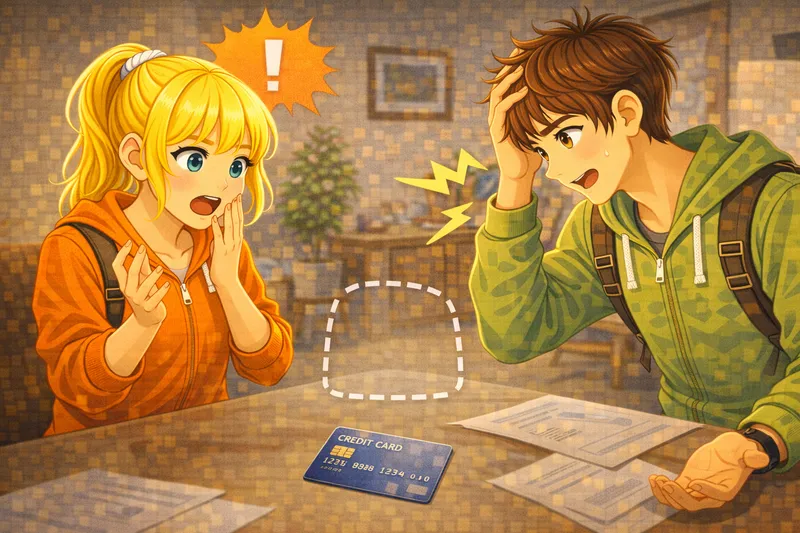
“Se alguma vez perder um cartão novamente, saberá exatamente o que fazer.”

“'Sua comida estará pronta em dez minutos,' ele diz.”