
B1 Italian GrammarSubjunctive & Conditional
Master Italian subjunctive mood (congiuntivo) and conditional tense (condizionale). Learn to express wishes, doubts, opinions, hypothetical situations, and polite requests. Understand when to use the subjunctive after specific verbs, conjunctions, and in conditional sentences.
1Present Conditional (Condizionale Presente)
The Italian conditional is used for polite requests, hypothetical situations, and expressing wishes. It's formed by adding conditional endings to the future stem. Regular verbs follow the pattern: -are verbs change 'a' to 'e', then add -ei, -esti, -ebbe, -emmo, -este, -ebbero.
Conditional Endings
| Person | parlare | credere | dormire |
|---|---|---|---|
| io | parlerei | crederei | dormirei |
| tu | parleresti | crederesti | dormiresti |
| lui/lei | parlerebbe | crederebbe | dormirebbe |
| noi | parleremmo | crederemmo | dormiremmo |
| voi | parlereste | credereste | dormireste |
| loro | parlerebbero | crederebbero | dormirebbero |
Examples
Vorrei un caffè, per favore.
I would like a coffee, please.
Polite request with conditional
Potresti aiutarmi?
Could you help me?
Polite question with conditional
Sarebbe bello andare in vacanza.
It would be nice to go on vacation.
Hypothetical wish
Mi piacerebbe vivere in Italia.
I would like to live in Italy.
Expressing a wish/desire
2Present Subjunctive (Congiuntivo Presente)
The subjunctive is used after verbs expressing opinion, doubt, emotion, desire, or necessity. Regular forms: -are verbs use -i, -i, -i, -iamo, -iate, -ino; -ere/-ire verbs use -a, -a, -a, -iamo, -iate, -ano. Common triggers: penso che, credo che, voglio che, spero che.
Present Subjunctive
| Person | parlare | credere | dormire |
|---|---|---|---|
| io | parli | creda | dorma |
| tu | parli | creda | dorma |
| lui/lei | parli | creda | dorma |
| noi | parliamo | crediamo | dormiamo |
| voi | parliate | crediate | dormiate |
| loro | parlino | credano | dormano |
Examples
Penso che lui abbia ragione.
I think he is right.
Subjunctive after penso che
Voglio che tu venga alla festa.
I want you to come to the party.
Subjunctive after voglio che
Spero che tutto vada bene.
I hope everything goes well.
Subjunctive after spero che
Non credo che sia vero.
I don't believe it's true.
Subjunctive after non credo che
3Irregular Subjunctive Forms
The most common verbs have irregular subjunctive forms. Essere: sia, sia, sia, siamo, siate, siano. Avere: abbia, abbia, abbia, abbiamo, abbiate, abbiano. Other common irregulars include fare (faccia), andare (vada), potere (possa), and volere (voglia).
Common Irregular Subjunctives
| Verb | io/tu/lui | noi | loro |
|---|---|---|---|
| essere | sia | siamo | siano |
| avere | abbia | abbiamo | abbiano |
| fare | faccia | facciamo | facciano |
| andare | vada | andiamo | vadano |
| potere | possa | possiamo | possano |
| volere | voglia | vogliamo | vogliano |
| sapere | sappia | sappiamo | sappiano |
| venire | venga | veniamo | vengano |
Examples
Credo che Maria sia malata.
I believe Maria is sick.
sia = subjunctive of essere
Spero che abbiano tempo.
I hope they have time.
abbiano = subjunctive of avere
Voglio che tu faccia i compiti.
I want you to do your homework.
faccia = subjunctive of fare
Dubito che possano venire.
I doubt they can come.
possano = subjunctive of potere
4Conditional Sentences (Periodo Ipotetico)
Italian has three types of conditional sentences. Type 1 (possible): se + present, future. Type 2 (unlikely): se + imperfect subjunctive, conditional. Type 3 (impossible): se + past perfect subjunctive, past conditional. Type 2 is most common for hypothetical situations.
Conditional Sentence Types
| Type | Se clause | Main clause | Use |
|---|---|---|---|
| 1 (real) | present | future | possible events |
| 2 (unreal) | impf. subj. | conditional | hypothetical |
| 3 (past unreal) | pluperf. subj. | past cond. | impossible |
Examples
Se piove, resto a casa.
If it rains, I'll stay home.
Type 1: real possibility
Se avessi soldi, comprerei una casa.
If I had money, I would buy a house.
Type 2: hypothetical situation
Se fossi in te, accetterei l'offerta.
If I were you, I would accept the offer.
Type 2: advice/opinion
Se avessi studiato, avresti superato l'esame.
If you had studied, you would have passed the exam.
Type 3: past unreal condition
Practice
Get 4 of 5 right to learn this lesson
Complete: '___ un caffè, per favore.' (I would like a coffee, please.)
Complete: 'Penso che lui ___ ragione.' (I think he is right.)
Complete: 'Non credo che ___ vero.' (I don't believe it's true.)
Complete: 'Se ___ soldi, comprerei una casa.' (If I had money, I would buy a house.)
Complete: 'Non ___ mai prendere il posto della vera connessione umana.' (It should never take the place of real human connection.)
See Real Examples in Stories
Now that you've practiced, see this grammar in context
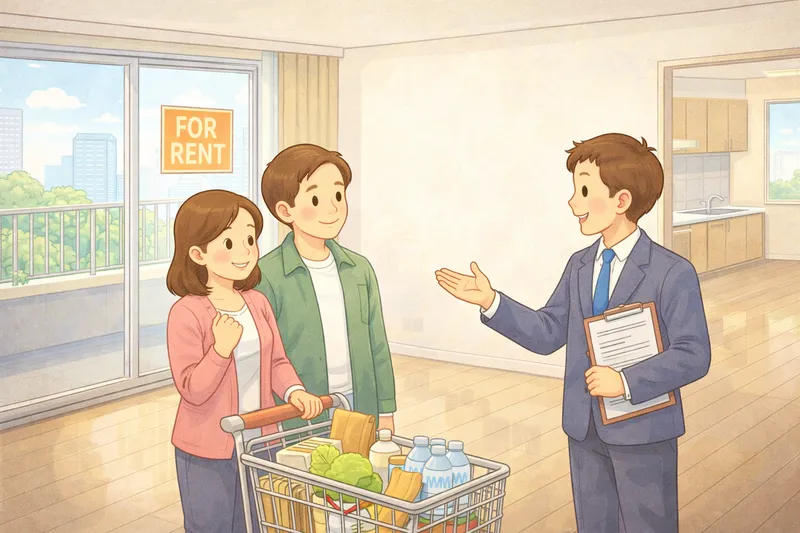
“Il trasloco sarebbe stato molto lavoro, ma Sophie era pronta.”

“Se il progetto fosse andato bene, saremmo passati a riunioni settimanali in seguito.”

“'Penso che sia iniziato alle superiori.'”

“Ma non dovrebbe mai prendere il posto del vero contatto umano e del calore.”