
B1 French GrammarFuture Tense
Express future actions in French using the futur simple, futur proche (aller + infinitive), and understand when to use each.
1Futur Proche (Near Future)
The futur proche uses aller + infinitive. It expresses near future or planned actions.
Futur Proche Formation
| Person | Aller | Infinitive | English |
|---|---|---|---|
| je | vais | manger | I'm going to eat |
| tu | vas | partir | you're going to leave |
| il/elle | va | venir | he/she is going to come |
| nous | allons | travailler | we're going to work |
Examples
Je vais partir demain.
I'm going to leave tomorrow.
near future plan
Il va pleuvoir.
It's going to rain.
imminent event
Nous allons manger au restaurant.
We're going to eat at a restaurant.
planned action
Tu vas voir, c'est super!
You'll see, it's great!
confident prediction
2Futur Simple Formation
The futur simple adds endings to the infinitive (or irregular stem). Endings: -ai, -as, -a, -ons, -ez, -ont.
Futur Simple Endings
| Person | Ending | Parler | English |
|---|---|---|---|
| je | -ai | parlerai | I will speak |
| tu | -as | parleras | you will speak |
| il/elle | -a | parlera | he/she will speak |
| nous | -ons | parlerons | we will speak |
| vous | -ez | parlerez | you will speak |
| ils/elles | -ont | parleront | they will speak |
Examples
Je parlerai avec lui demain.
I will speak with him tomorrow.
regular -er verb
Nous finirons à 18 heures.
We will finish at 6 PM.
regular -ir verb
Tu comprendras plus tard.
You will understand later.
regular -re verb
Ils arriveront lundi.
They will arrive on Monday.
scheduled event
3Irregular Futur Simple Stems
Some common verbs have irregular future stems. The endings remain the same.
Irregular Stems
| Verb | Stem | Example | English |
|---|---|---|---|
| être | ser- | je serai | I will be |
| avoir | aur- | j'aurai | I will have |
| aller | ir- | j'irai | I will go |
| faire | fer- | je ferai | I will do/make |
| pouvoir | pourr- | je pourrai | I will be able |
| venir | viendr- | je viendrai | I will come |
Examples
Je serai là à 8 heures.
I will be there at 8 o'clock.
être → ser-
Nous aurons le temps.
We will have time.
avoir → aur-
Elle fera le ménage.
She will do the cleaning.
faire → fer-
Ils viendront demain.
They will come tomorrow.
venir → viendr-
4Futur Proche vs Futur Simple
Futur proche is for near/planned events; futur simple for more distant future, formal contexts, or predictions.
Usage Comparison
| Futur Proche | Futur Simple |
|---|---|
| Immediate future | Distant future |
| Certain plans | Predictions |
| Informal speech | Formal writing |
| Near certainty | Less certainty |
Examples
Je vais appeler maintenant.
I'm going to call now.
immediate: futur proche
Un jour, je voyagerai en Asie.
One day, I will travel to Asia.
distant: futur simple
Demain, il pleuvra.
Tomorrow, it will rain.
formal prediction
Je vais t'aider!
I'm going to help you!
spontaneous decision
Practice
Get 4 of 5 right to learn this lesson
How do you form the futur proche (near future)?
What are the futur simple endings?
What is the irregular futur simple stem of 'être'?
When do you typically use futur simple instead of futur proche?
Complete: 'Demain, il ___ beau.' (Tomorrow, it will be nice.)
See Real Examples in Stories
Now that you've practiced, see this grammar in context

“'Je vais chanter en premier !' annonça-t-il.”
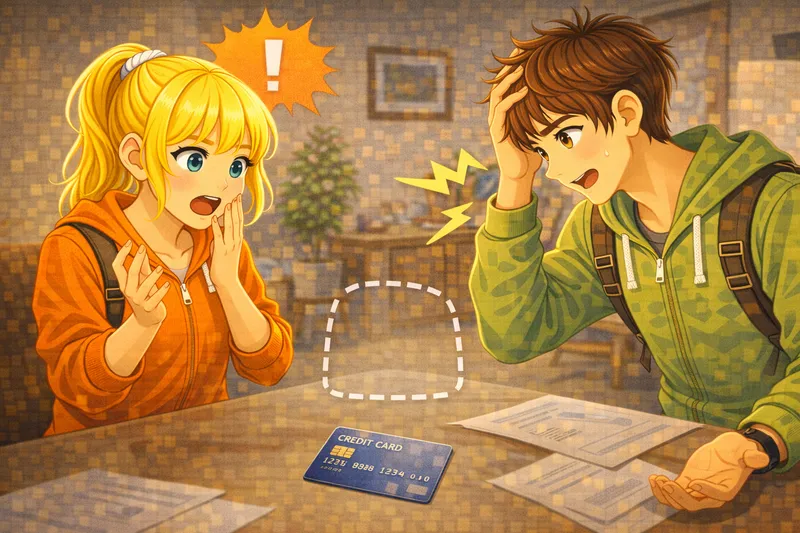
“'Merci. Je peux voir votre compte maintenant. Je vais bloquer votre carte immédiatement.'”

“'Parfait, le remboursement sera crédité sur votre carte,' a expliqué l'employée.”

“'Elle sera prête jeudi,' répond la femme.”