
A1 French GrammarTime Expressions
Master French time expressions for telling time, days of the week, months, and describing when things happen. Learn to say aujourd'hui (today), demain (tomorrow), hier (yesterday), and use expressions like le matin, l'après-midi, and le soir for different parts of the day.
1Telling Time
To ask the time in French, say 'Quelle heure est-il?' (What time is it?). Respond with 'Il est + number + heure(s)'. Use 'et demie' for half past, 'et quart' for quarter past, and 'moins le quart' for quarter to. French commonly uses 24-hour time for schedules.
Telling Time
| French | English | Note |
|---|---|---|
| Il est une heure. | It is 1:00. | singular heure |
| Il est trois heures. | It is 3:00. | plural heures |
| Il est midi. | It is noon. | no 'heures' |
| Il est minuit. | It is midnight. | no 'heures' |
| Il est deux heures et demie. | It is 2:30. | et demie = half |
| Il est quatre heures moins le quart. | It is 3:45. | moins = minus |
Examples
Il est neuf heures.
It is 9 o'clock.
Basic hour telling
Le train part à dix-huit heures.
The train leaves at 6 PM.
24-hour time common
Il est midi et quart.
It is 12:15.
et quart = quarter past
Il est huit heures moins dix.
It is 7:50.
moins dix = minus ten
2Days of the Week
French days of the week are not capitalized and are all masculine. Use 'le' before a day to mean 'on Mondays' (habitual). Without 'le', it means 'on Monday' (specific). Days do not use a preposition for 'on' - just use the day alone.
Days of the Week
| French | English | Abbreviation |
|---|---|---|
| lundi | Monday | lun. |
| mardi | Tuesday | mar. |
| mercredi | Wednesday | mer. |
| jeudi | Thursday | jeu. |
| vendredi | Friday | ven. |
| samedi | Saturday | sam. |
| dimanche | Sunday | dim. |
Examples
Je travaille lundi.
I work on Monday.
No preposition needed
Le samedi, je fais du sport.
On Saturdays, I do sports.
le = habitual
On se voit vendredi?
Shall we meet on Friday?
Specific day, no article
Le dimanche est mon jour préféré.
Sunday is my favorite day.
le for general statement
3Months and Seasons
French months are not capitalized and are all masculine. Use 'en' before months (en janvier = in January). For seasons, use 'en' for spring, summer, fall, but 'au' for winter (au printemps is an exception - use 'au' with printemps).
Months and Seasons
| Category | French | English |
|---|---|---|
| months | janvier, février, mars | January, February, March |
| months | avril, mai, juin | April, May, June |
| months | juillet, août, septembre | July, August, September |
| months | octobre, novembre, décembre | October, November, December |
| seasons | le printemps, l'été | spring, summer |
| seasons | l'automne, l'hiver | fall, winter |
Examples
Mon anniversaire est en juillet.
My birthday is in July.
en + month
Il fait chaud en été.
It is hot in summer.
en été = in summer
Au printemps, les fleurs poussent.
In spring, flowers grow.
au printemps (exception)
Noël est en décembre.
Christmas is in December.
en + month for events
4Time Adverbs
French has many useful time adverbs: aujourd'hui (today), demain (tomorrow), hier (yesterday), maintenant (now), bientôt (soon). Parts of the day use 'le matin' (morning), 'l'après-midi' (afternoon), 'le soir' (evening), 'la nuit' (night).
Common Time Adverbs
| French | English | Example |
|---|---|---|
| aujourd'hui | today | Aujourd'hui, je reste ici. |
| demain | tomorrow | Demain, je pars. |
| hier | yesterday | Hier, j'ai travaillé. |
| maintenant | now | Je mange maintenant. |
| le matin | in the morning | Je lis le matin. |
| le soir | in the evening | Il dîne le soir. |
Examples
Aujourd'hui, c'est lundi.
Today is Monday.
aujourd'hui = today
Je te vois demain matin.
I will see you tomorrow morning.
demain matin = tomorrow morning
Hier soir, j'ai regardé un film.
Last night, I watched a movie.
hier soir = last night
Il pleut souvent l'après-midi.
It often rains in the afternoon.
l'après-midi = in the afternoon
Practice
Get 2 of 3 right to learn this lesson
How do you say 'It is 3:30' in French?
How do you say 'on Mondays' (habitual) in French?
How do you say 'in January' in French?
See Real Examples in Stories
Now that you've practiced, see this grammar in context

“À neuf heures, la porte du bureau s'est ouverte.”

“'Même heure demain?' demanda Max avec un sourire.”

“'Oui, étudions le matin et révisons l'après-midi,' a suggéré Lucas.”
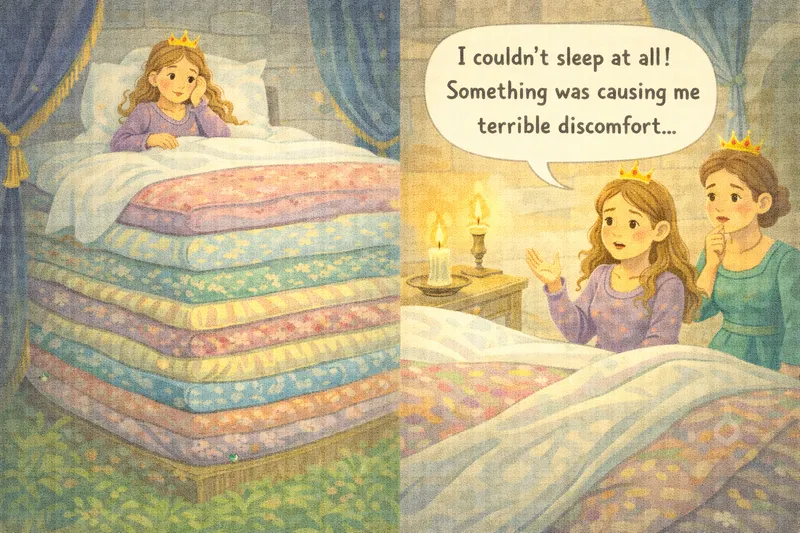
“Le lendemain matin, la reine lui pose une question.”