
A2 Finnish GrammarPresent Perfect Tense
Connect past actions to the present using Finnish present perfect (perfekti). Formed with 'olla' + past participle, this tense describes completed actions and experiences. It is the most common past tense in spoken Finnish.
1Formation of Present Perfect
Finnish present perfect uses the auxiliary verb 'olla' (conjugated for person) plus the past participle. The participle ends in -nut/-nyt (singular) or -neet (plural). This tense is very common in spoken Finnish, often replacing simple past.
Present Perfect Formation
| Person | Olla | Participle | Example |
|---|---|---|---|
| minä | olen | -nut/-nyt | olen puhunut (I have spoken) |
| sinä | olet | -nut/-nyt | olet syönyt (you have eaten) |
| hän | on | -nut/-nyt | on tullut (he/she has come) |
| me | olemme | -neet | olemme nähneet (we have seen) |
Examples
Olen lukenut kirjan.
I have read the book.
olen + lukenut (past participle)
Hän on asunut Suomessa.
He/She has lived in Finland.
on + asunut
Olemme matkustaneet paljon.
We have traveled a lot.
olemme + matkustaneet (plural)
Oletko syönyt jo?
Have you eaten already?
oletko + syönyt (question)
2Forming the Past Participle
The past participle (-nut/-nyt for singular, -neet for plural) is formed from the verb stem. Remove the infinitive ending and add the participle suffix. Vowel harmony applies: -nut after a,o,u and -nyt after ä,ö,y. The participle agrees with the subject in number.
Past Participle Formation
| Infinitive | Stem | Singular | Plural |
|---|---|---|---|
| puhua (speak) | puhu- | puhunut | puhuneet |
| syödä (eat) | syö- | syönyt | syöneet |
| tulla (come) | tul- | tullut | tulleet |
| nähdä (see) | näh- | nähnyt | nähneet |
Examples
Hän on oppinut suomea.
He/She has learned Finnish.
oppia → oppinut
Lapset ovat leikkineet.
The children have played.
leikkineet (plural participle)
Oletko kuullut uutiset?
Have you heard the news?
kuulla → kuullut
He ovat lähteneet.
They have left.
lähteä → lähteneet
3Negative Present Perfect
Negative present perfect uses the negative verb (en, et, ei...) plus 'ole' plus the past participle. The participle stays the same regardless of person, but still agrees in number with the subject (singular or plural).
Negative Present Perfect
| Person | Negative | Example |
|---|---|---|
| minä | en ole + -nut | en ole nähnyt (I haven't seen) |
| sinä | et ole + -nut | et ole tehnyt (you haven't done) |
| hän | ei ole + -nut | ei ole sanonut (he/she hasn't said) |
| me | emme ole + -neet | emme ole kuulleet (we haven't heard) |
Examples
En ole koskaan käynyt Suomessa.
I have never been to Finland.
en ole + käynyt
Hän ei ole vastannut.
He/She hasn't answered.
ei ole + vastannut
Emme ole tavanneet ennen.
We haven't met before.
emme ole + tavanneet
Etkö ole lukenut sitä?
Haven't you read it?
etkö ole + lukenut
4Using Present Perfect
Use present perfect for: completed actions with current relevance, life experiences, recent events, and actions continuing to present. In spoken Finnish, it often replaces simple past. Time markers: jo (already), vielä (yet/still), koskaan (ever), juuri (just).
Common Time Expressions
| Finnish | English | Position |
|---|---|---|
| jo | already | after auxiliary |
| vielä | yet, still | end of sentence |
| koskaan | ever | after auxiliary |
| juuri | just | before auxiliary |
Examples
Olen jo syönyt.
I have already eaten.
jo = already
Oletko koskaan matkustanut Japaniin?
Have you ever traveled to Japan?
koskaan = ever (in question)
Hän on juuri tullut.
He/She has just arrived.
juuri = just
En ole vielä tehnyt sitä.
I haven't done it yet.
vielä = yet (in negative)
Practice
Get 3 of 4 right to learn this lesson
How do you say 'I have seen' in Finnish?
What is the past participle of 'tehdä' (to do/make)?
Complete: 'Hän ___ odottanut tätä hetkeä.' (She has been waiting for this moment.)
How do you say 'I have never been to Finland' in Finnish?
See Real Examples in Stories
Now that you've practiced, see this grammar in context

“'Tämä on kaunein asia, jonka olen koskaan nähnyt!' sanoi Lisa.”
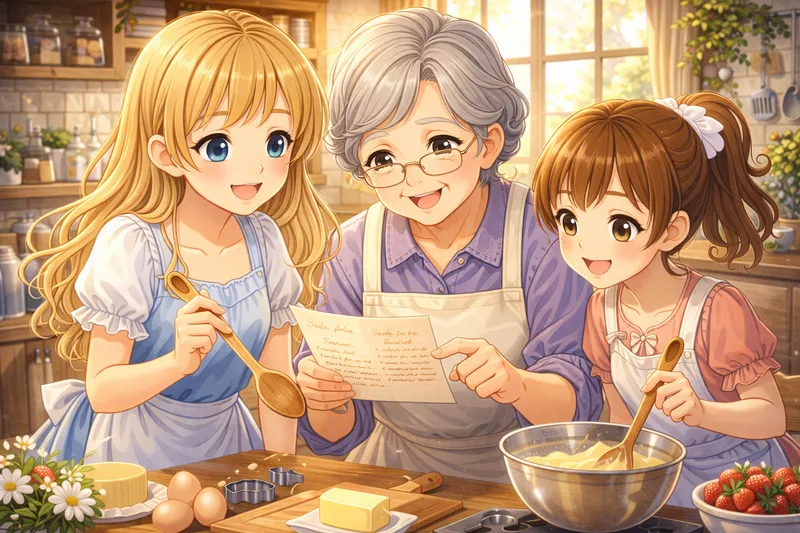
“Hän on tehnyt tätä piirakkaa yli viisikymmentä vuotta.”

“Kello kuuteen mennessä olen saanut kaikki päivän tehtäväni valmiiksi.”

“Tänään on Emman hääpäivä. Hän on odottanut tätä hetkeä kuukausia.”