
A2 Finnish GrammarReflexive Verbs
Learn Finnish reflexive verbs and constructions. Finnish handles reflexivity differently than most European languages, using the reflexive pronoun 'itse' and special verb forms. Master how to express actions directed back at the subject.
1The Reflexive Pronoun Itse
Finnish uses 'itse' (self) as the main reflexive pronoun. It does not change form for different persons - the same word is used for 'myself', 'yourself', 'himself', etc. The context and verb conjugation make the meaning clear.
Itse with Different Subjects
| Subject | Reflexive | Example |
|---|---|---|
| minä | itse | minä itse (I myself) |
| sinä | itse | sinä itse (you yourself) |
| hän | itse | hän itse (he/she himself/herself) |
| me | itse | me itse (we ourselves) |
| te | itse | te itse (you yourselves) |
| he | itse | he itse (they themselves) |
Examples
Minä tein sen itse.
I did it myself.
itse emphasizes self-action
Hän rakensi talon itse.
He/she built the house himself/herself.
itse = by oneself
Voitko tehdä sen itse?
Can you do it yourself?
itse with question
Me teemme ruoan itse.
We make the food ourselves.
itse with plural subject
2Itsensä - Object Form
When 'itse' is used as an object (the receiver of the action), it takes case endings and possessive suffixes. The genitive-accusative form 'itsensä' (himself/herself) is most common. The possessive suffix matches the subject.
Itse with Possessive Suffixes
| Person | Form | Meaning |
|---|---|---|
| minä | itseni | myself |
| sinä | itsesi | yourself |
| hän | itsensä | himself/herself |
| me | itsemme | ourselves |
| te | itsenne | yourselves |
| he | itsensä | themselves |
Examples
Hän loukkasi itsensä.
He/she hurt himself/herself.
itsensä = oneself (object)
Näen itseni peilissä.
I see myself in the mirror.
itseni = myself (object)
He esittelivät itsensä.
They introduced themselves.
itsensä = themselves
Älä satuta itseäsi!
Do not hurt yourself!
itseäsi = yourself (partitive)
3Reflexive Verb Types
Some Finnish verbs have a built-in reflexive meaning and do not need 'itse'. These often end in -utua/-ytyä (to become) or -autua/-äytyä. They describe actions that happen to the subject without an external agent.
Inherently Reflexive Verbs
| Verb | Translation | Example |
|---|---|---|
| peseytyä | to wash (oneself) | Peseydyn aamulla. |
| pukeutua | to dress (oneself) | Hän pukeutuu nopeasti. |
| herätä | to wake up | Herään aikaisin. |
| istua | to sit (down) | Istuduin tuolille. |
Examples
Peseydyn joka aamu.
I wash myself every morning.
peseytyä = inherently reflexive
Hän pukeutuu nopeasti.
He/she dresses quickly.
pukeutua = to dress oneself
Lapset valmistautuvat kouluun.
The children prepare (themselves) for school.
valmistautua = to prepare oneself
Hän keskittyy työhönsä.
He/she concentrates on his/her work.
keskittyä = to concentrate (oneself)
4Reciprocal Meaning
Finnish uses 'toinen' (each other) or 'keskenään' (among themselves) for reciprocal actions where two or more people do something to each other. The reflexive 'itse' is not used for reciprocal meanings.
Reciprocal Expressions
| Finnish | English | Usage |
|---|---|---|
| toisiaan | each other | object form |
| toisilleen | to each other | allative |
| toisistaan | about each other | elative |
| keskenään | among themselves | reciprocal action |
Examples
He rakastavat toisiaan.
They love each other.
toisiaan = each other
Puhumme toisillemme joka päivä.
We talk to each other every day.
toisillemme = to each other
He auttavat toinen toistaan.
They help one another.
toinen toistaan = one another
Lapset leikkivät keskenään.
The children play among themselves.
keskenään = among themselves
Practice
Get 3 of 4 right to learn this lesson
Complete: 'Sinä teit sen ___.' (You did it yourself.)
Complete: 'He rakastavat ___.' (They love each other.)
Which sentence means 'I am preparing for the exam'?
Complete: 'Lapset leikkivät ___.' (The children play among themselves.)
See Real Examples in Stories
Now that you've practiced, see this grammar in context
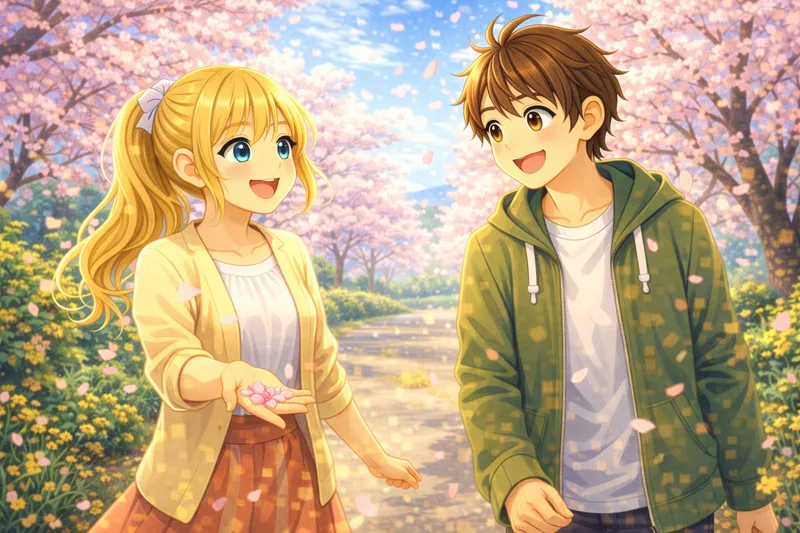
“He pitävät toisiaan kädestä ja hymyilevät.”
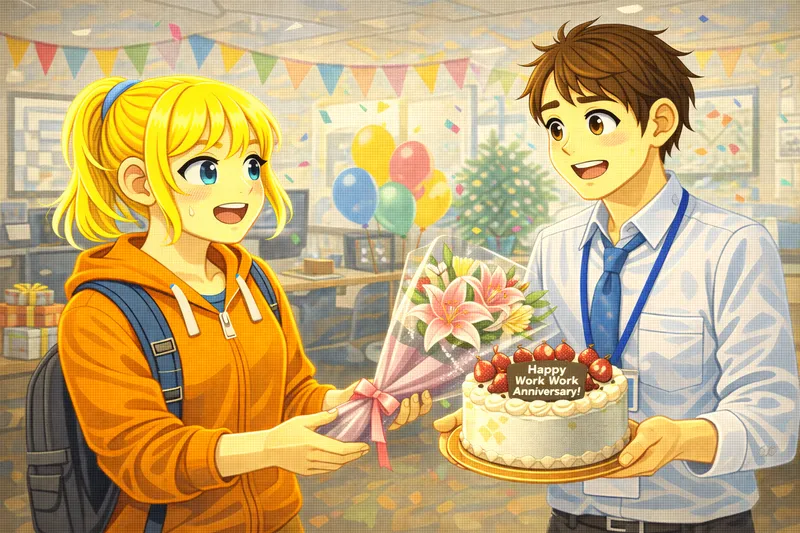
“Mark pukeutui suosikkisiniseen paitaansa ja harmaisiin housuihinsa.”
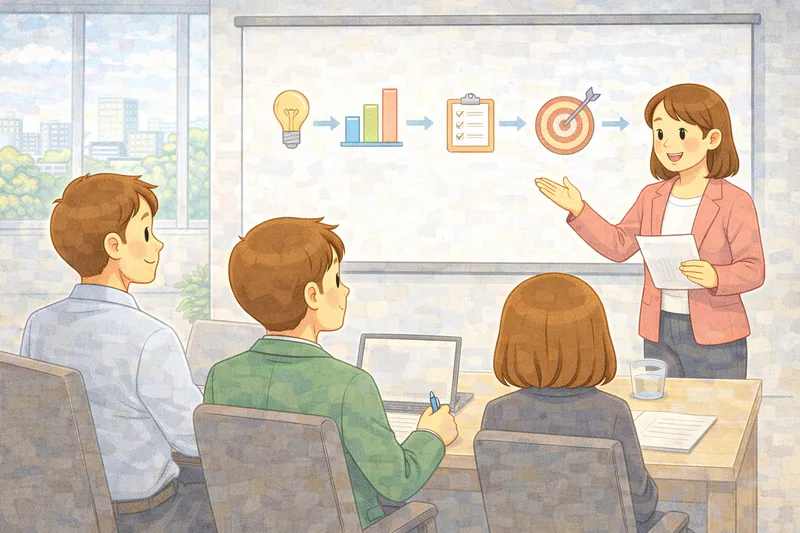
“Läsnäolijat keskustelevat luvuista keskenään.”

“Kauppa oli hyvin täynnä, koska kaikki valmistautuivat suureen iltaan.”