
B1 English GrammarFuture Tense
Express future plans, predictions, and intentions using will, going to, and present continuous. Know which form to use in different situations.
1Will for Predictions and Decisions
Use 'will' for predictions, spontaneous decisions, promises, and offers. Form: will + base verb. Negative: won't (will not). 'Will' doesn't change for different subjects.
Will Formation
| Type | Structure | Example |
|---|---|---|
| Positive | will + verb | I will help you. |
| Negative | won't + verb | It won't rain. |
| Question | Will + subject + verb? | Will you come? |
| Short answer | Yes, I will. / No, I won't. |
Examples
I think it will rain tomorrow.
I think it will rain tomorrow.
prediction
I'll have the fish, please.
I'll have the fish, please.
spontaneous decision
I'll call you later, I promise.
I'll call you later, I promise.
promise
I'll carry that for you.
I'll carry that for you.
offer
2Going to for Plans and Evidence
Use 'going to' for planned intentions (decided before speaking) and predictions based on present evidence. Form: am/is/are + going to + verb.
Going to Formation
| Subject | Form | Example |
|---|---|---|
| I | am going to | I'm going to study medicine. |
| He/She/It | is going to | She's going to travel. |
| We/You/They | are going to | They're going to move. |
Examples
I'm going to learn Japanese next year.
I'm going to learn Japanese next year.
planned intention
Look at those clouds! It's going to rain.
Look at those clouds! It's going to rain.
evidence-based prediction
We're going to buy a new car.
We're going to buy a new car.
decided plan
She's going to have a baby.
She's going to have a baby.
certain future event
3Will vs Going to
The key difference: 'going to' is for pre-planned intentions, 'will' is for decisions made at the moment of speaking. Both can be used for predictions, but 'going to' suggests evidence.
Will vs Going to
| Will | Going to |
|---|---|
| Spontaneous decision | Pre-planned intention |
| I'll have coffee. (just decided) | I'm going to have coffee. (planned) |
| Prediction (opinion) | Prediction (evidence) |
| I think she'll win. | Look! She's going to win! |
Examples
Phone rings: 'I'll get it!'
I'll get it!
spontaneous decision
I'm going to get a haircut tomorrow.
I'm going to get a haircut tomorrow.
already planned
Careful! You're going to fall!
Careful! You're going to fall!
evidence: person is slipping
4Present Continuous for Arrangements
Use present continuous for fixed arrangements, especially with a specific time/place. This is common for social arrangements and travel plans already made.
Examples
I'm meeting John at 3 PM.
I'm meeting John at 3 PM.
fixed arrangement
We're flying to Paris on Monday.
We're flying to Paris on Monday.
tickets already booked
She's starting her new job next week.
She's starting her new job next week.
confirmed arrangement
They're getting married in June.
They're getting married in June.
planned event with date
Practice
Get 4 of 5 right to learn this lesson
The phone rings. You decide at that moment to answer it. You say: 'I ___ get it!'
You've planned this for weeks. 'I ___ visit my grandmother next Sunday.'
Look at those dark clouds! It ___ rain.
You've bought tickets and made plans. 'We ___ Paris next month.'
Making a promise: 'I ___ always love you.'
See Real Examples in Stories
Now that you've practiced, see this grammar in context

“'I will spare your life on one condition,' said the Beast.”
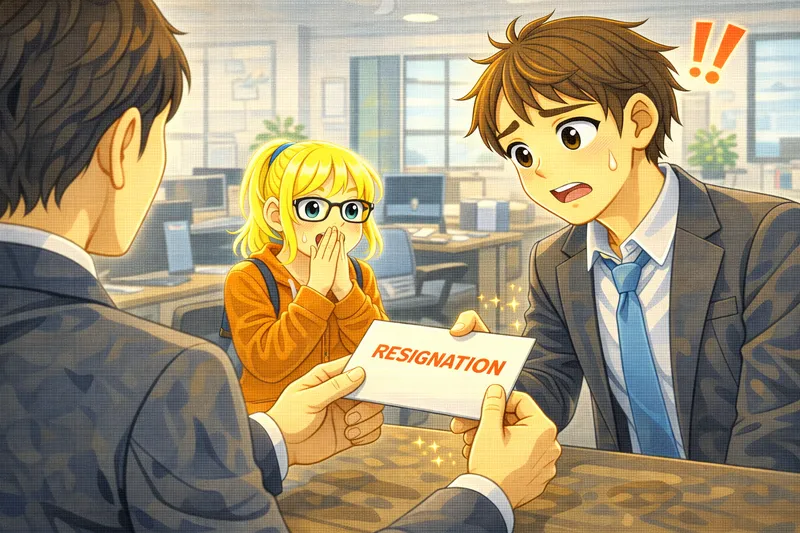
“'I am going to start my own business.'”

“She was going to be a grandmother.”

“'We will be in touch within the next week.'”

“'You will do great, sweetheart,' her mother said with a warm smile.”