
A2 English GrammarReflexive Pronouns
Use reflexive pronouns (myself, yourself, himself, herself, ourselves, themselves) when the subject and object are the same person.
1Reflexive Pronouns Forms
Reflexive pronouns end in -self (singular) or -selves (plural). Use them when the subject and object of a sentence refer to the same person or thing.
Reflexive Pronouns
| Subject | Reflexive Pronoun | Example |
|---|---|---|
| I | myself | I hurt myself. |
| you (singular) | yourself | Be careful! Don't cut yourself. |
| he | himself | He taught himself to play guitar. |
| she | herself | She introduced herself. |
| it | itself | The cat cleaned itself. |
| we | ourselves | We enjoyed ourselves at the party. |
| you (plural) | yourselves | Help yourselves to food. |
| they | themselves | They blamed themselves. |
Examples
I cut myself while cooking.
I cut myself while cooking.
I (subject) = myself (object)
She looked at herself in the mirror.
She looked at herself in the mirror.
she = herself
The children dressed themselves.
The children dressed themselves.
children = themselves
Be careful or you'll hurt yourself.
Be careful or you'll hurt yourself.
you = yourself
2Common Reflexive Verbs
Some verbs are commonly used with reflexive pronouns in English: enjoy oneself, hurt oneself, teach oneself, introduce oneself, behave oneself, help oneself, blame oneself.
Examples
Did you enjoy yourself at the party?
Did you enjoy yourself at the party?
enjoy oneself = have a good time
Please help yourself to some cake.
Please help yourself to some cake.
help yourself = take what you want
Let me introduce myself.
Let me introduce myself.
introduce oneself = say who you are
The children need to behave themselves.
The children need to behave themselves.
behave oneself = be good
3Emphasis with Reflexive Pronouns
Reflexive pronouns can also be used for emphasis, meaning "personally" or "without help". In this case, they often come at the end of the sentence or after the subject.
Examples
I made this cake myself.
I made this cake myself.
emphasis: I made it, no one helped
The president himself opened the ceremony.
The president himself opened the ceremony.
emphasis: the president personally
Did you paint the house yourself?
Did you paint the house yourself?
emphasis: without help
She herself admitted the mistake.
She herself admitted the mistake.
emphasis: she personally
4By + Reflexive = Alone
'By' + reflexive pronoun means 'alone' or 'without company'. This is different from doing something 'yourself' (without help).
Examples
She lives by herself.
She lives by herself.
by herself = alone
He went to the cinema by himself.
He went to the cinema by himself.
by himself = alone, no company
The children can't stay by themselves.
The children can't stay by themselves.
by themselves = without adults
Do you like eating by yourself?
Do you like eating by yourself?
by yourself = alone
Practice
Get 3 of 4 right to learn this lesson
Complete: 'I cut ___ while cooking.'
Complete: 'Please help ___ to some cake.'
Complete: 'She looked at ___ in the mirror.'
Complete: 'I did it all by ___.' (alone, without help)
See Real Examples in Stories
Now that you've practiced, see this grammar in context
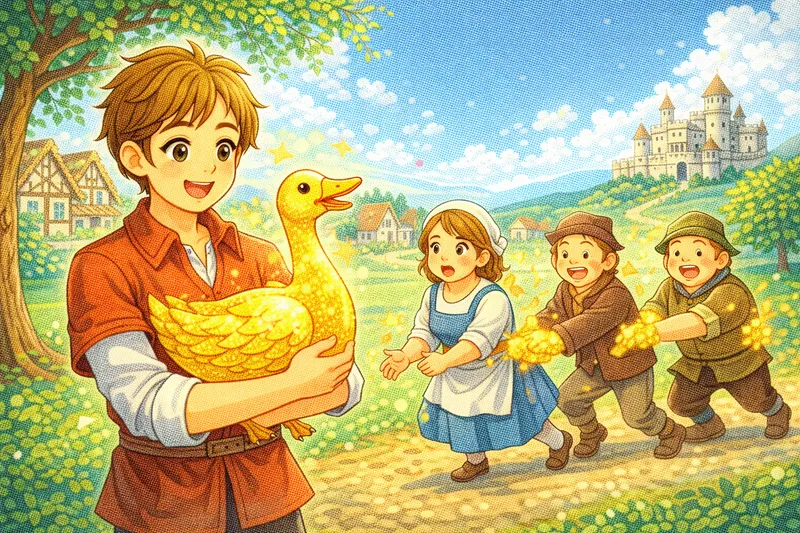
“Soon after, he also hurt himself with the axe and returned home.”

“'I changed the tire all by myself!' she said proudly.”

“Tom looked at himself in the mirror and felt ready.”

“David made himself a large cup of coffee and sat down at his desk.”
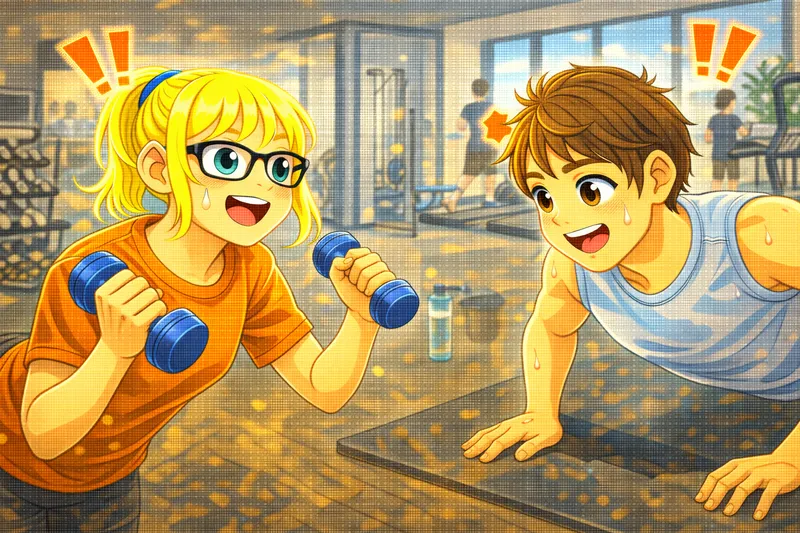
“His muscles felt tired, but he also felt proud of himself.”