
B1 Danish GrammarSubjunctive II (Konjunktiv II)
Master the Danish subjunctive mood for expressing unreal conditions, wishes, and polite requests. Learn how to form and use 'ville' + infinitive, conditional sentences, and polite hypothetical expressions in everyday Danish.
1Forming the Conditional
Danish expresses subjunctive meanings using the past tense of modal verbs, especially 'ville' (would). The conditional is formed with 'ville' + infinitive. For 'would have', use 'ville have' + past participle. Unlike German, Danish doesn't have distinct subjunctive verb forms.
Conditional Structures
| Type | Structure | Example |
|---|---|---|
| would + verb | ville + infinitive | ville gøre |
| would have | ville have + participle | ville have gjort |
| could | kunne | kunne gøre |
| should | burde | burde gøre |
Examples
Jeg ville gerne hjælpe dig.
I would like to help you.
polite offer with ville
Hun ville have kommet, hvis hun kunne.
She would have come if she could.
ville have + participle
Det ville være dejligt.
That would be lovely.
hypothetical with ville
Jeg burde have ringet.
I should have called.
past obligation unfulfilled
2Conditional Sentences (If-Clauses)
Danish conditional sentences use 'hvis' (if) with past tense in the if-clause and 'ville' in the main clause. For past unreal conditions, use past perfect in the if-clause and 'ville have' in the main clause. Word order follows V2 rules.
Conditional Sentence Types
| Type | If-Clause | Main Clause |
|---|---|---|
| Present unreal | Hvis + past tense | ville + infinitive |
| Past unreal | Hvis + past perfect | ville have + participle |
| Mixed | Hvis + past tense | ville have + participle |
Examples
Hvis jeg var rig, ville jeg rejse verden rundt.
If I were rich, I would travel around the world.
present unreal condition
Hvis jeg havde vidst det, ville jeg have hjulpet.
If I had known, I would have helped.
past unreal condition
Hvis han kom, ville vi være glade.
If he came, we would be happy.
hypothetical future
Ville du gøre det, hvis du kunne?
Would you do it if you could?
question form
3Expressing Wishes and Desires
Use 'gid' (if only) or 'bare' (just/only) with past tense to express wishes about the present, or with past perfect for past wishes. 'Ville ønske' (would wish) is another common pattern for expressing regrets and desires.
Wish Expressions
| Expression | Meaning | Example |
|---|---|---|
| gid + past | if only (present) | Gid jeg var der |
| bare + past | if only (present) | Bare jeg kunne |
| gid + past perfect | if only (past) | Gid jeg havde vidst |
| ville ønske | wish that | Jeg ville ønske at... |
Examples
Gid jeg kunne tale dansk bedre!
If only I could speak Danish better!
present wish with gid
Bare jeg havde mere tid.
If only I had more time.
present wish with bare
Jeg ville ønske, at jeg havde studeret mere.
I wish I had studied more.
past regret
Gid det ikke var sandt!
If only it weren't true!
wish contrary to fact
4Polite Requests and Suggestions
The conditional mood makes requests and suggestions more polite in Danish. Use 'ville' for polite requests, 'kunne' for polite questions about ability, and 'måtte' for formal permission. This softens direct requests and makes speech more courteous.
Polite Expressions
| Direct | Polite | English |
|---|---|---|
| Giv mig... | Ville du give mig...? | Would you give me...? |
| Kan du...? | Kunne du...? | Could you...? |
| Jeg vil have... | Jeg ville gerne have... | I would like... |
| Du skal... | Du burde... | You should... |
Examples
Kunne du hjælpe mig?
Could you help me?
polite request
Ville du have tid til at tale med mig?
Would you have time to talk to me?
polite question
Jeg ville gerne bestille et bord.
I would like to book a table.
polite wish
Måtte jeg bede om regningen?
Might I ask for the bill?
formal request
Practice
Get 4 of 5 right to learn this lesson
Complete: 'Jeg ___ gerne tale om min løn.' (I would like to discuss my salary - polite request)
Complete: '___ du måske holde en pause?' (Could you maybe take a break? - polite question)
Complete: 'Jeg ___ følt det på samme måde, hvis jeg var i din situation.' (I would have felt the same way if I were in your position.)
Complete: '___ du overveje at leje den ud til mig?' (Would you consider renting it to me?)
Complete: 'Hun prøvede retter, som hun aldrig ___ bestilt fra en guide.' (She tried dishes she would never have ordered from a guidebook.)
See Real Examples in Stories
Now that you've practiced, see this grammar in context

“'Jeg ville gerne tale om min løn,' sagde Alex direkte.”

“'Kunne du måske holde en pause i de timer?'”

“'Jeg ville have følt det på samme måde, hvis jeg var i din situation.'”
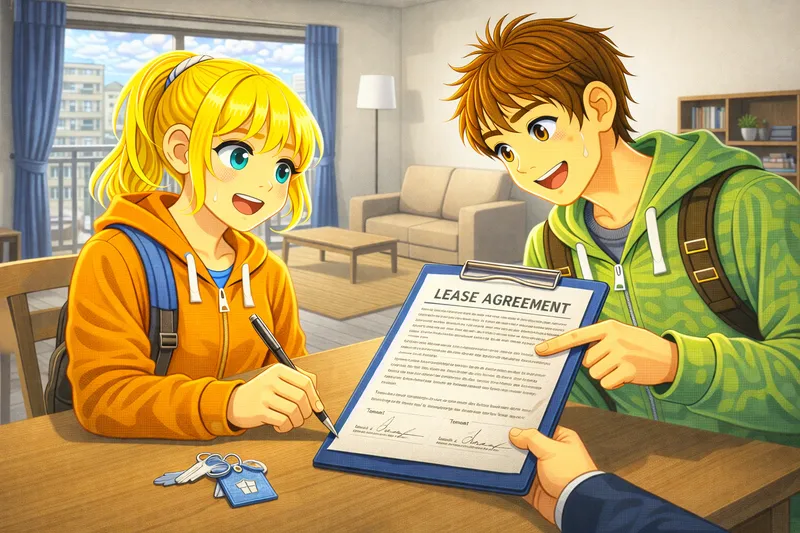
“'Ville du overveje at leje den ud til mig?'”

“Hun prøvede usædvanlige lokale retter, som hun aldrig ville have bestilt ud fra en rejseguide.”